IN THE ROOM
The toolkit at work
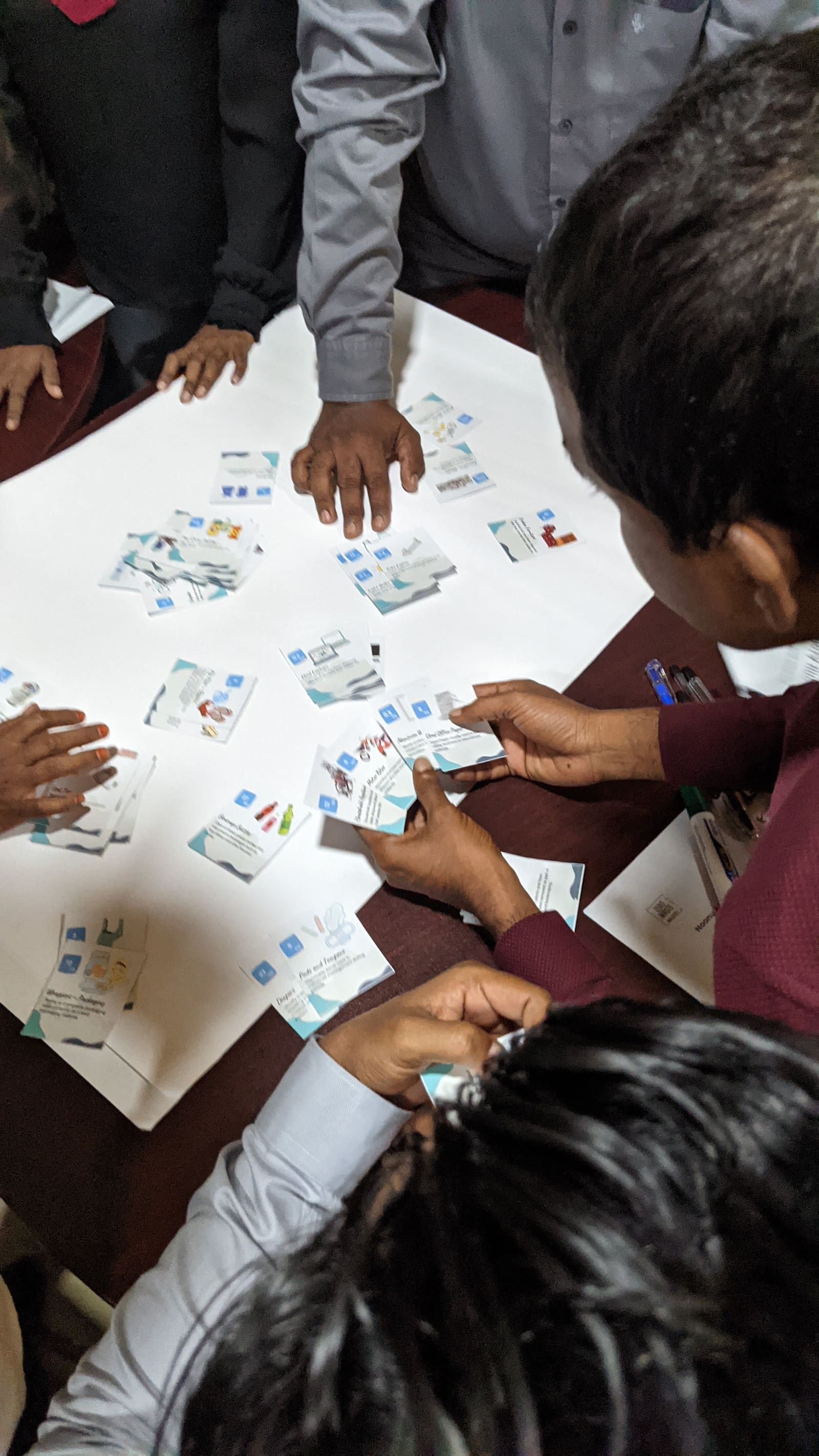
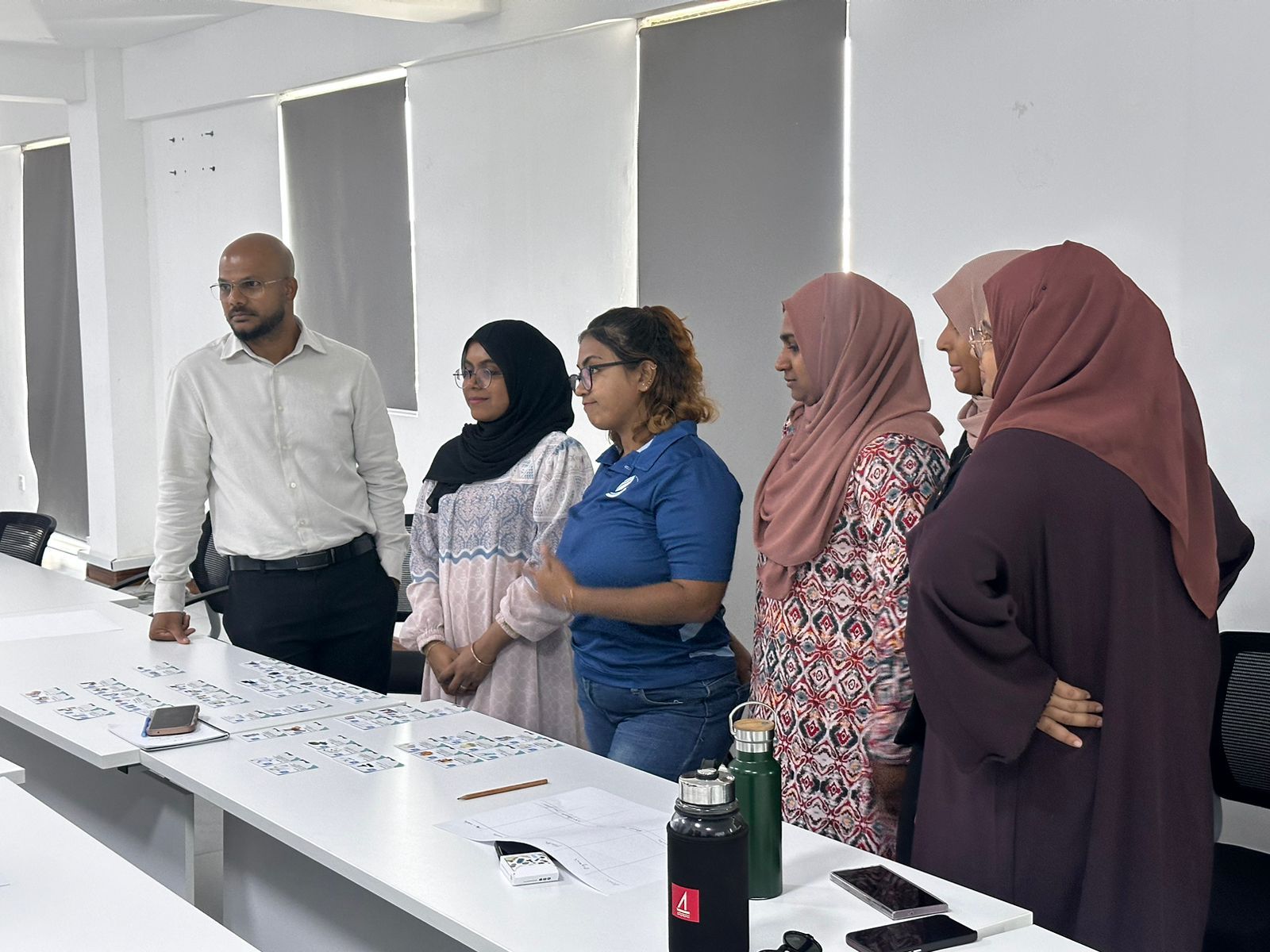
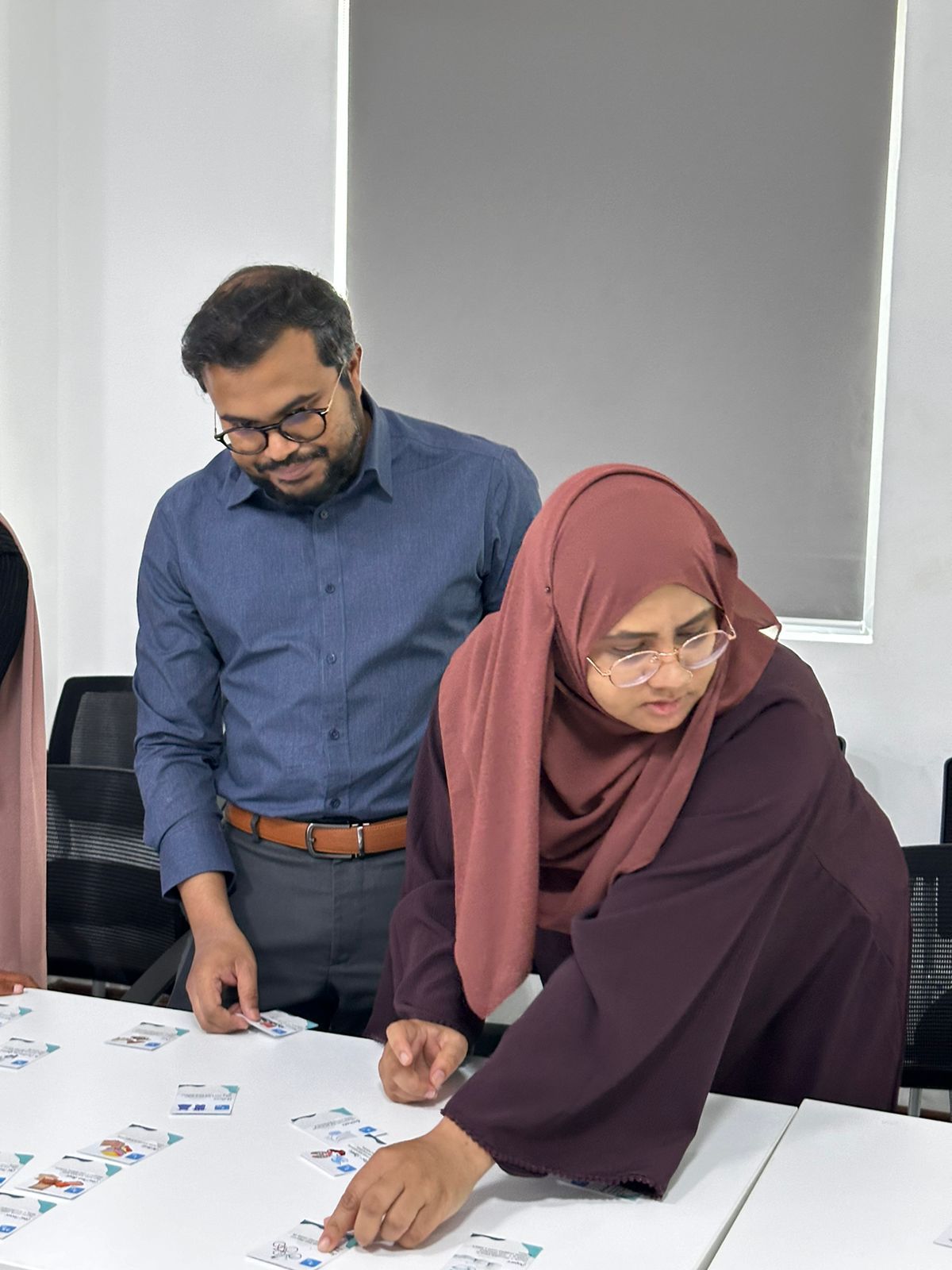
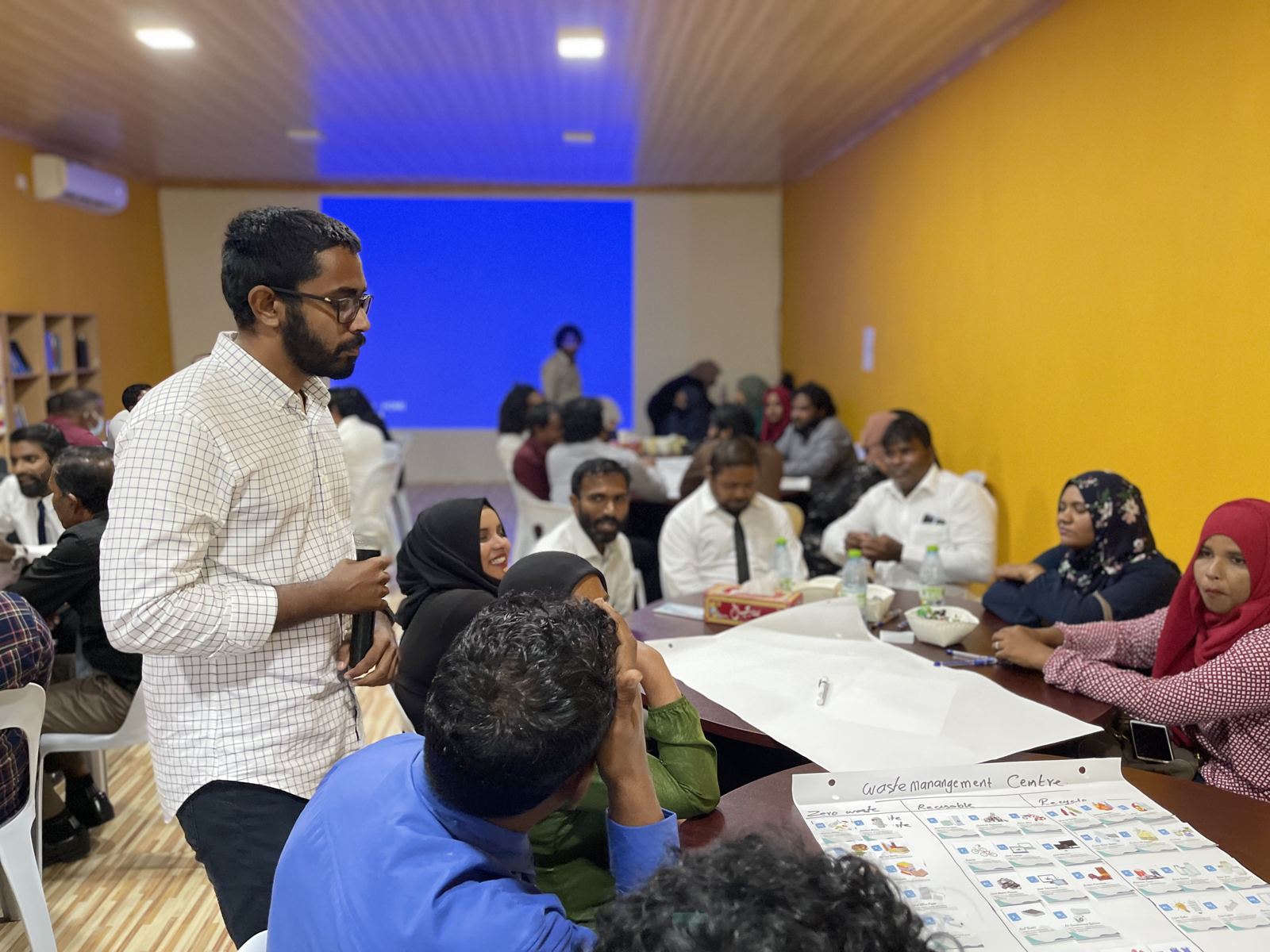
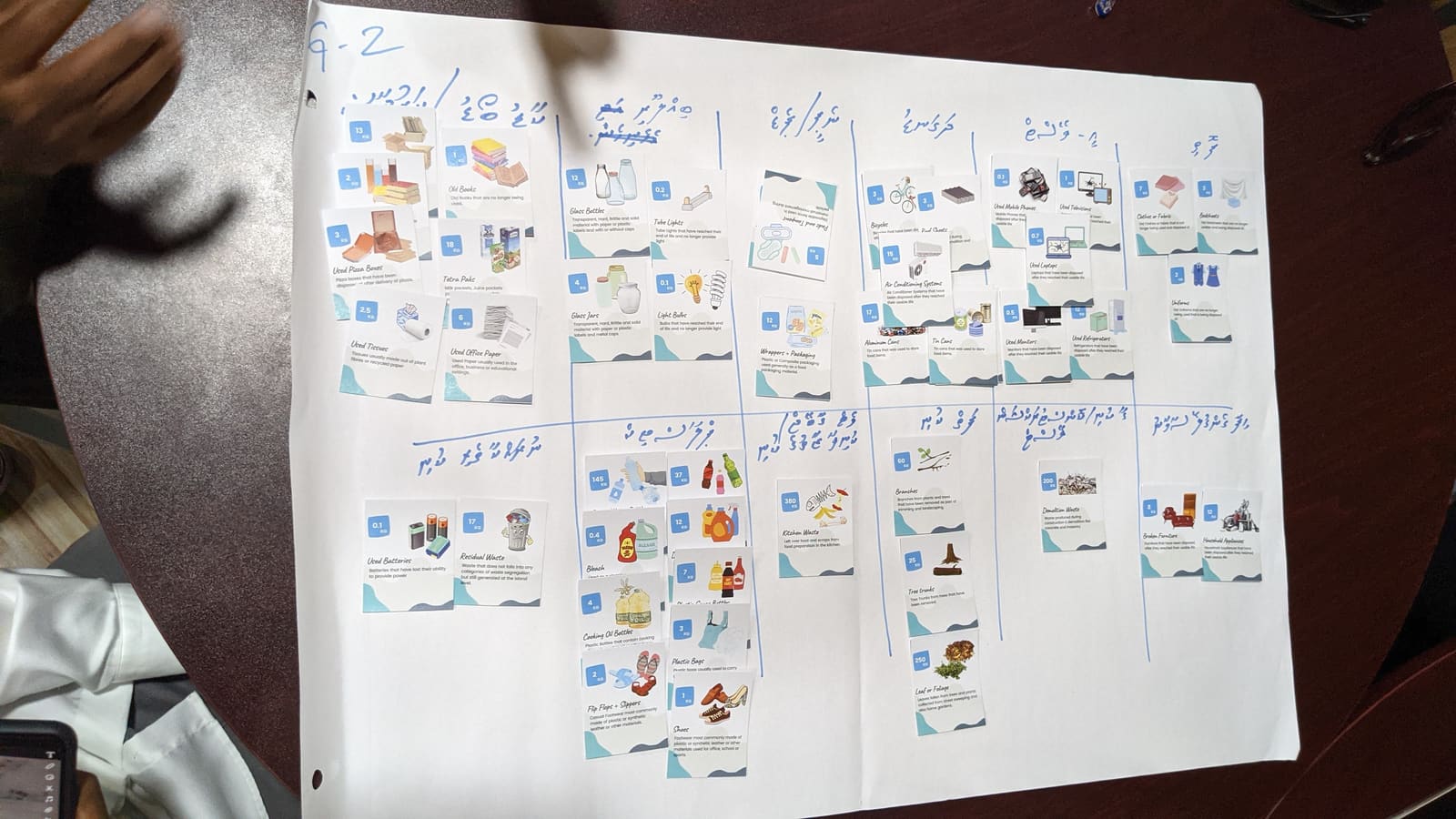
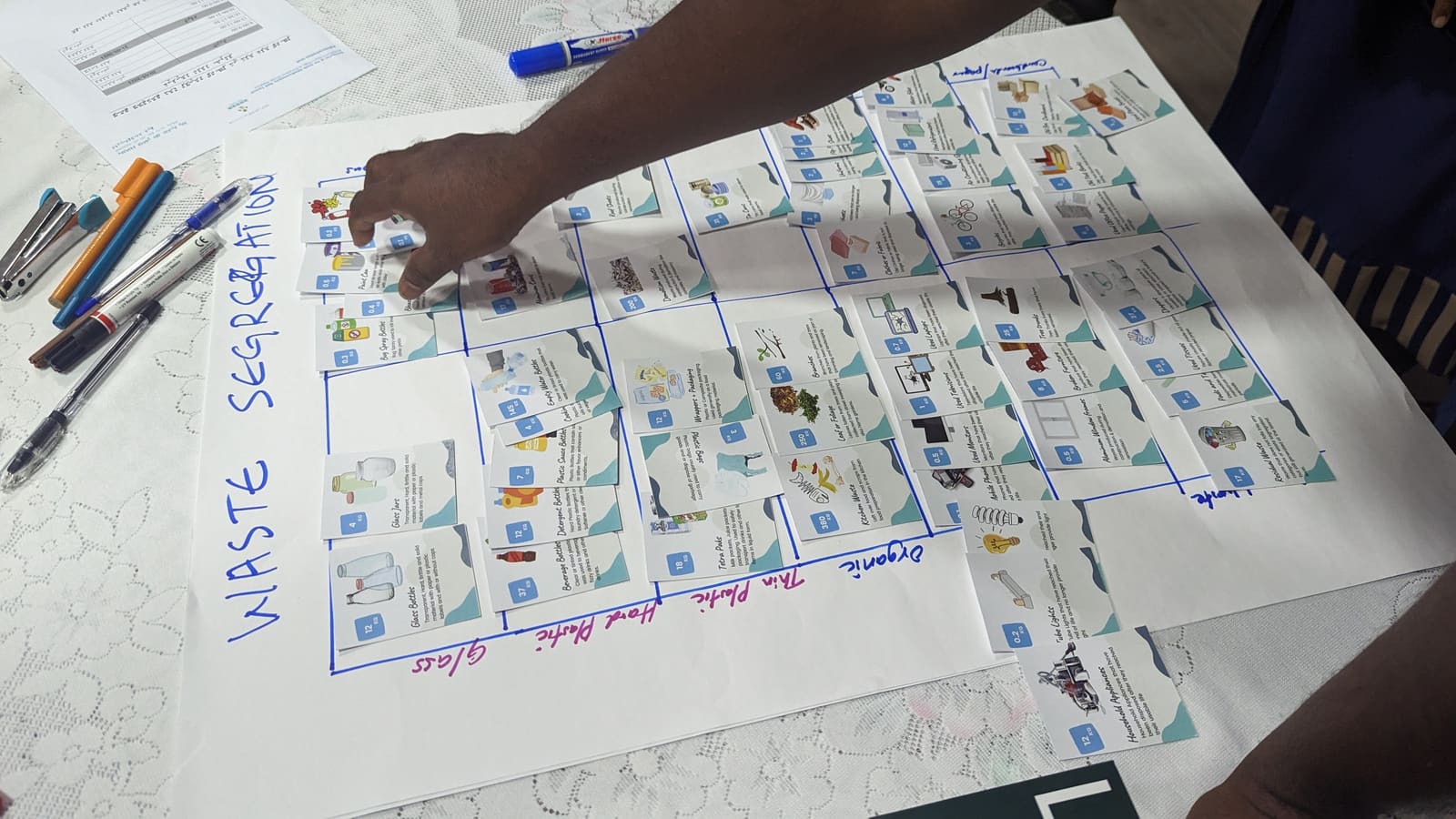
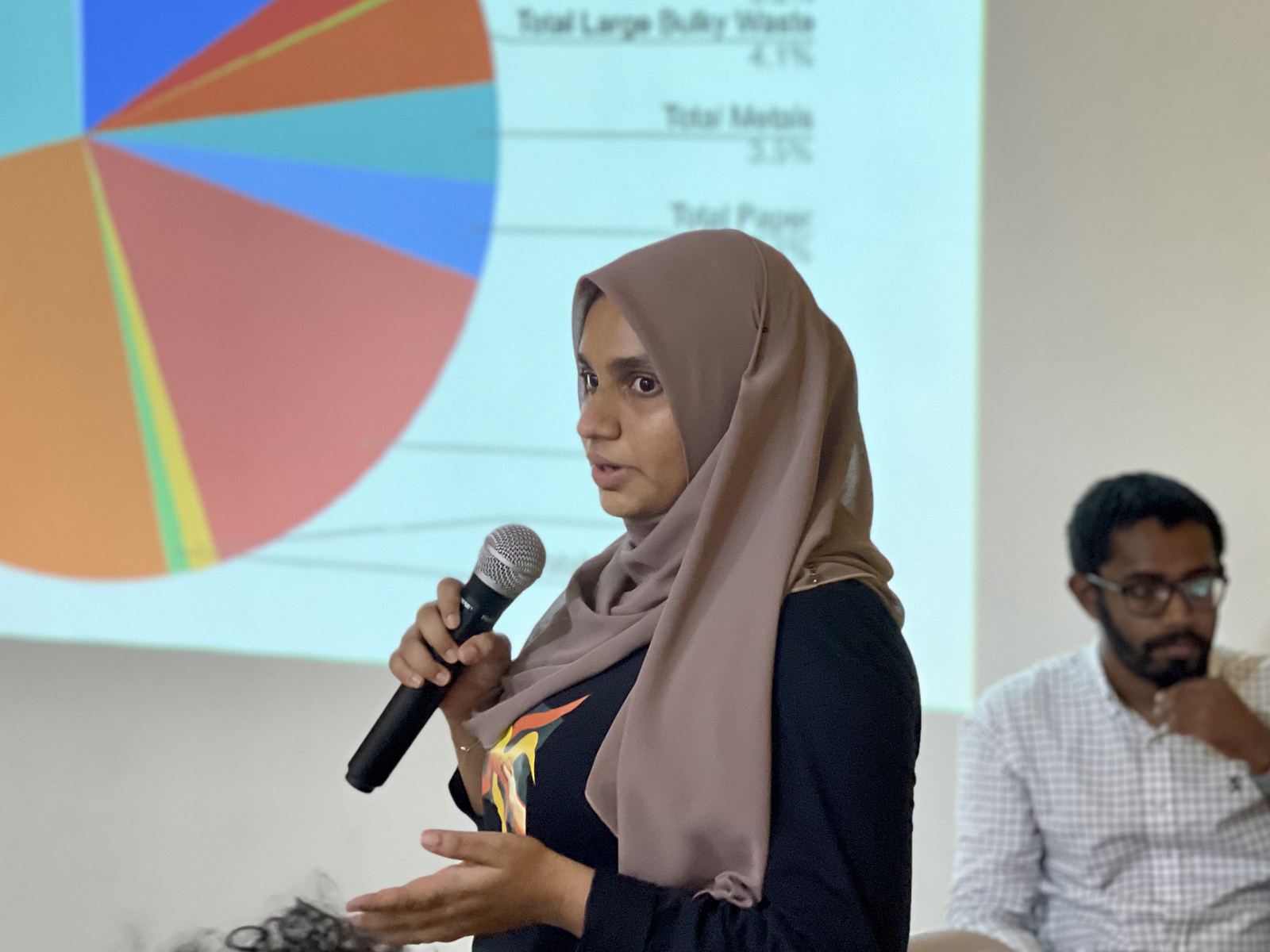
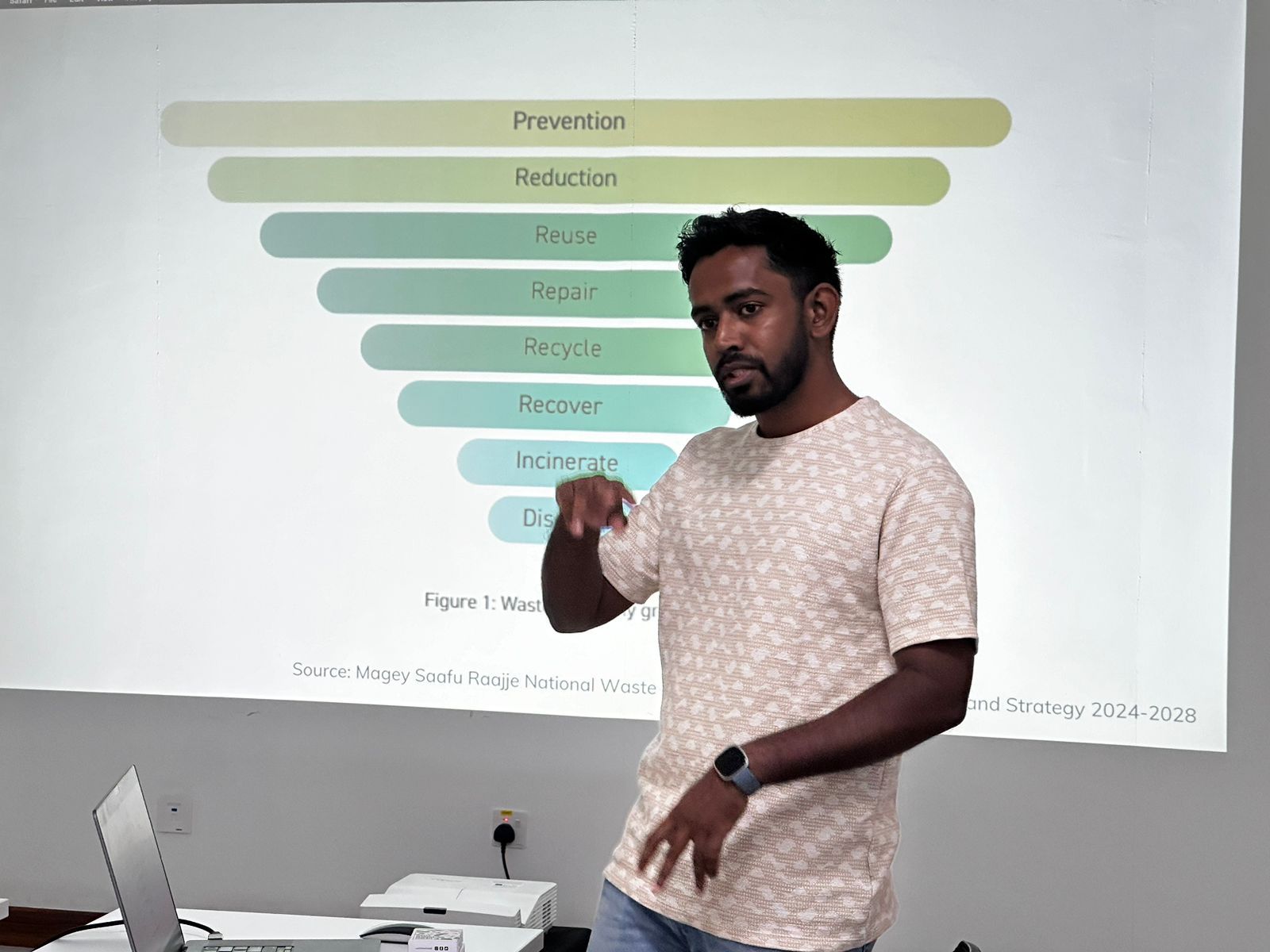
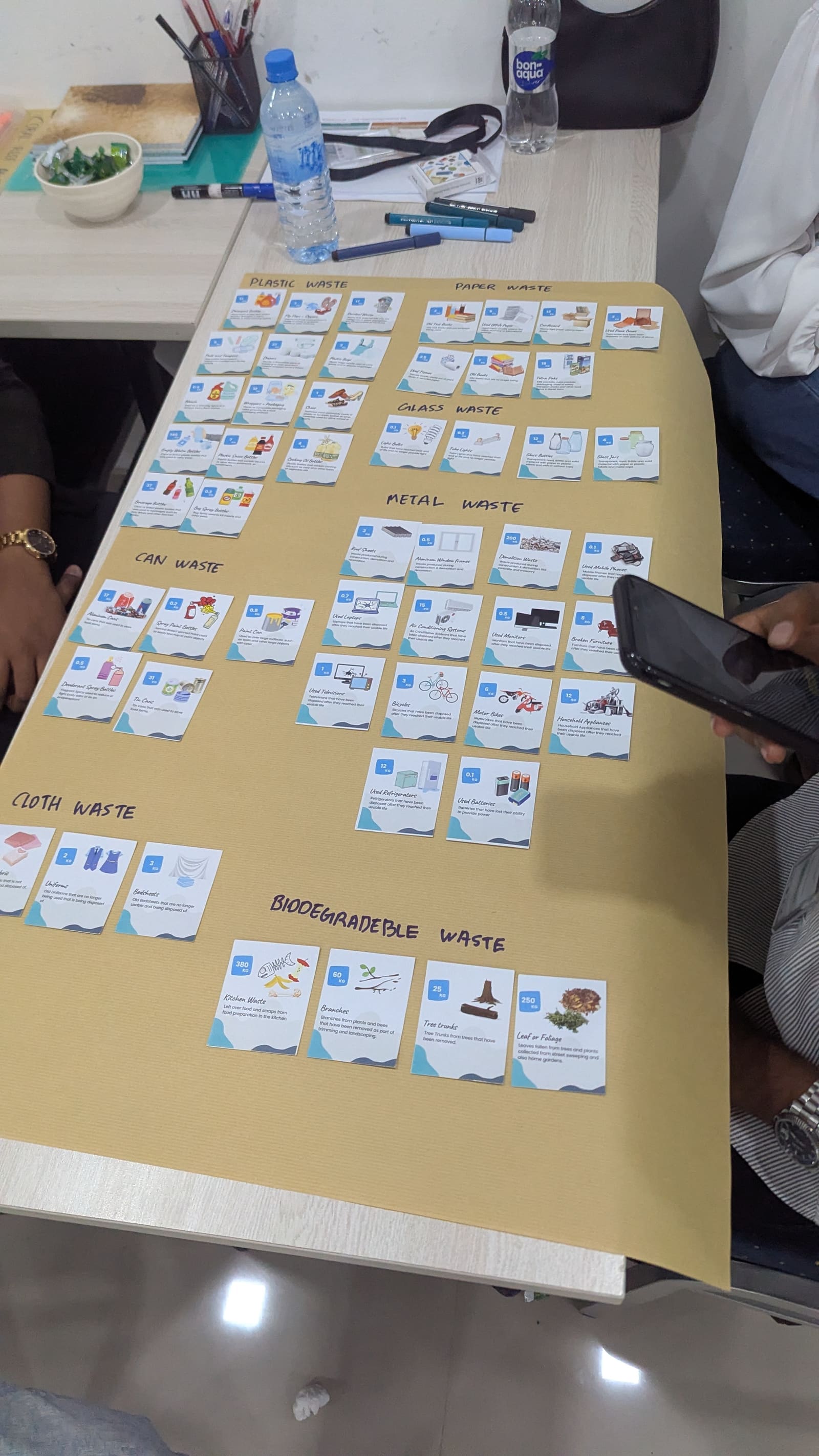
A hands-on card toolkit for teaching waste segregation and running a tabletop waste audit. We use it to train any group, test what they know, challenge how things are done today, and show how good data turns into better waste management on an island.
In a nutshell, the toolkit builds waste segregation, auditing and planning knowledge through a practical tabletop exercise. It opens up discussion about how waste management is thought about from different perspectives, and improves how participants think about dealing with different waste streams.
A deck of illustrated waste-item cards that participants sort into the categories their island actually uses.
Once waste is sorted, it has to be collected, moved and stored. Groups plan how each stream travels from the household to the island's waste management centre.
A tabletop waste audit. Each card carries a weight, so groups can build a waste composition for an island without opening a single bag.
Groups bring segregation, collection and audit data together into one picture of their island, and look for where waste can become value.
Island by island, and increasingly in the hands of partners who now run it themselves.
The toolkit's first outing, with 11 of Noonu Atoll's 13 island councils in the room, sorting cards onto charts and building composition tables in groups.
12 of 13 island councils, joined by Women's Development Committees. Segregation grids drawn on the table, then a tabletop audit turning card weights into daily, monthly and percentage composition.
A half-day workshop for around 30 of the waste operator's staff: segregation and planning, then a tabletop audit on a mock scenario and how that data feeds operations-level decisions. It led to a full waste audit with WAMCO in 2025. Part of our UNDP GEF Small Grants Programme project in Fuvahmulah.
A crash course for the ministry's team ahead of their Magey Saafu Raajje Community Champions programme in Meemu Atoll. We handed over the toolkit so they could run it themselves on the trip.
Participants travelled from Henbadhoo, Kendhikulhudhoo, Landhoo and Maafaru for a combined session, part of our Sustainable Waste Alternatives Program (SWAP) with Noonu Atoll Council, funded by the Veshi Small Grants Programme.
Maalhendhoo asked for a session of their own on the island, which we facilitated during the same SWAP visit.
A segregation workshop for youth and the wider community, sorting the cards into the categories they use at home.
After training with us, Noonu Atoll Council took the toolkit to Haa Dhaalu Atoll and ran a workshop there on their own. That is the outcome we design for: a method partners can pick up and carry to the next island.
Leadership who set budgets, plan facilities and need to know what their island actually throws away.
Teams who collect, handle and process waste every day, where segregation quality and safety meet.
Where segregation starts. The card format works across ages and literacy levels.
Staff who run their own programmes can learn the method once and carry it to the islands.
